-
 The opportunity for public comment on the Ohio air nuisance rule change will close on June 29.
 -
 The lawsuit alleges the Ohio budget passed this summer unlawfully included provisions weakening legal recourse to stop air pollution.
 -
 Fewer employees, reduced Superfund site cleanup and truncated regulation enforcement are some of the ways the U.S. EPA is keeping afloat during the lapse in federal funds.
 -
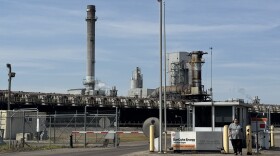 More stringent air pollution regulations for the steel industry were supposed to start in July. But right before they would’ve taken effect, the U.S. Environmental Protection Agency paused them for two years.
 -
The air nuisance rule defines air pollution as a public nuisance and allows Ohioans to file federal lawsuits against companies whose emissions may jeopardize air quality.
-
 The Tremont City Barrel Fill contains 300,000 gallons of industrial waste. Residents concerned about water contamination have been asking for remediation for decades.
 -
 After years of historic use of PFAS-containing firefighting foam, Wright-Patterson Air Force Base officials shared insights into the systems they now use on site to remove PFAS from water.
 -
 With more recent regulatory scrutiny to PFAS chemicals, the Dayton region’s Wright-Patterson Air Force Base is trying to mitigate community exposure from its historic use of these compounds.
 -
 The plan to clean up part of the Miami County Superfund site includes removing tons of contaminated soil and filling it with clean materials.
 -
 The U.S. EPA's Superfund program includes the contaminated Valley Pike VOCs site in Riverside. Groundwater testing may soon identify more homes and businesses eligible for free environmental testing.
 -
 Dayton's first utility-scale solar project will bring new life to a site that hasn't been used since the Sherwin Williams warehouse fire in 1987.
 -
 The U.S. EPA declared the Donnelsville, Ohio, aquifer a Superfund site because of its contamination, but residents are still connected to wells recharged by that aquifer. The current solution of putting filtration systems on wells isn’t sustainable.

© 2026 WYSO
Our Community. Our Nation. Our World.
Play Live Radio
Next Up:
0:00
0:00
Available On Air Stations


