-
 Ohio’s state historic preservation office reviewed 6,000 development projects in 2025 alone. The proposed changes could mean less expert scrutiny.
-
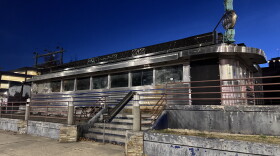 A preservation group publishes its list of the most endangered historical properties in Dayton.
-
 1973 was the year Fisk University students launched WRFN—Radio Free Nashville. Later it became WFSK and today is still broadcasting at 88.1 on the FM dial.
-
 In 1975, a 10-watt radio signal began broadcasting from the campus of Savannah State College. Fifty years later, WHCJ 90.3 FM is still on the air, still rooted in the same mission it started with: educate through entertaining.
-
 The Kettering Tree Committee is starting the initiative to improve the health of Kettering's urban forest.
-
 This episode follows the preservation team to coastal North Carolina's Elizabeth City State University, where decades of radio history lay hidden in locked cabinets. Through the collaborative efforts of librarians, radio staff, archivists, and oral historians, we discover how WRVS-FM has served as a vital community voice since 1986 and how preservation work sparked an institutional commitment to safeguarding these irreplaceable recordings for future generations.
-
 Ohio farmer, Bryna Chandler, is an expert in preserving and using root vegetables months and years after harvest. Now, she's sharing her knowledge.
-
 The Tecumseh Land Trust took control of Dell Farm, which means more green space and farm land around Yellow Springs is preserved from development.
-
 Dayton completed an archaeological survey of a site known as Lichliter Village, formerly settled by Native Americans over 1,000 years ago. The artifacts found are now in the care of the Boonshoft Museum of Discovery.
-
 This inaugural episode of "Broadcasting History: The HBCU Radio Legacy" examines how radio has functioned as both a tool for oppression and resistance, and highlights the extraordinary achievements of Historically Black Colleges and Universities in creating broadcasting operations that not only trained students but transformed American culture.
-
 In Greene County, Ohio Department of Natural Resources didn’t receive its first report of a modern bobcat sighting until 2020.
-
 The historic covered bridge was built in Germantown has been around since the Civil War. The community hopes to restore and preserve it.

© 2026 WYSO
Our Community. Our Nation. Our World.
Play Live Radio
Next Up:
0:00
0:00
Available On Air Stations


