Falls are often-overlooked risk for cancer patients during and after treatment.
Maple Tree Cancer Alliance was recently awarded a research grant of $291,000 to try to improve screening and prevention for falls.
The Alliance, formed in 2011, works with cancer centers across the country on exercise training for patients as they're going through cancer treatment.
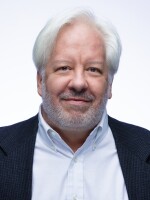
Karen Wonders is founder and CEO of the Alliance and a professor at Wright State University. WYSO’s Jerry Kenney spoke with her about the research grant and how it could help.
This interview has been lightly edited for length and clarity.
Karen Wonders: Part of what we do with Maple Tree is we really try to advocate at a national level for exercise for cancer patients to be reimbursed by insurance.
And, through those conversations we've had at the federal level, this idea of fall risk prevention keeps getting brought up. This is an area of interest for the Centers for Medicare and Medicaid.
And if you look at cancer patients, they're 17% more likely to fall than their counterparts that don't have cancer. And that's because of balance issues that arise during treatment, neuropathy and that sort of thing. And so we put together a fall risk study, essentially evaluating a patient's risk for falling. And then that would be used as criteria to get them into an exercise program so we can help improve their stability. And we did that in combination with the UD physical therapy school. And then locally, CareSource and the Gala of Hope Foundation came together to fund this for us so that we could create the validation tool and then assess patients take them through an exercise program all at no cost to the patient.
Jerry Kenney: I don't think this is a widely known risk by the general public.
Wonders: Yeah, and I actually don't think a lot of patients are aware that the treatments can sometimes lead to balance issues or sometimes lead to peripheral neuropathy. And sometimes I think that catches people off guard and then they're not ready for the balance issues that they have, which can lead to falls and it can lead to a lot of loss of independence and functional movements. And it can be really detrimental to somebody's quality of life.
Kenney: Tell me a little bit more about the study. It looks like 1,200 participants.
Wonders: Yes, that's what we're planning. So we have started data collection on this. It'll be a two-year process, but we are planning to put about 1,200 people through this study and that will include the creation of the fall risk assessment. And for every patient that comes in, we assess them in the beginning of their time with us and then every 12 weeks as they move through the program. So we're going to be directly able to see how exercise helps. Reduce their risk of falling through the different assessments that we're doing. So that'll be really encouraging to have that data.
Kenney: The funding that you received, is that going to cover the full scope of this research?
Wonders: So that will allow the 1,200 patients to go through 12 weeks of exercise training. It's almost like having your own personal trainer. And then it will also cover the research costs and creating the tool and validating it and all of that part too. So it was a huge blessing to us to be able to get this funding.
Kenney: It's kind of hard to look out two years, but tell us what you'd like to see on the other side of this research.
Wonders: Preliminary data that we have seen with just our existing patients is that, in that 12-week span of time that patients are with us, we're usually able to reduce their fall risk by about 28 to 29%.
And so I expect to see, similar results, but what's so exciting about this research is it's a priority area for CMS, and so if we report this data back, there's a very good potential that this will then become a fundable service under CMS, making exercise oncology widely available for anyone who's battling cancer. That's ultimately what our goal is.
Kenney: Your organization is doing the research. Do you have partners in this endeavor?
Wonders: So yes, Maple Tree is the lead agency on this. We have worked with the University of Dayton physical therapy school with the study design and we do have physical therapy students coming in and they're helping with the validation of the assessment tool.
Kenney: Anything else that you want our listeners to know about all of this.
Wonders: I think what's really special and really unique about this particular grant is that it's bringing together so many different agencies, you have CareSource and the Gala of Hope, which have previously funded Maple Tree. They've helped us to grow our influence in the area. But then you have Kettering and Premier Health that are involved and the University of Dayton. And so I really feel like this is a strong collaboration with multiple partners. And I think that's really unique, something that Dayton offers that you don't really see in a lot of other cities. I think all of us are in this for the patients and wanting to make cancer better for people where this can be the hardest thing that they walk through and so I just think it's really special that we have so many groups that are willing to do that.