Mowing season is underway. In Springfield, the season is a chance for residents to acquire a vacant lawn in exchange for maintaining it.
And about a decade ago, the city of Springfield started a program to cut down on the number of vacant lots peppering its neighborhoods.
It’s called the Mow-to-Own program – and it’s just what it says. Residents can mow a vacant or abandoned parcel for the season and then the city will give them the property.
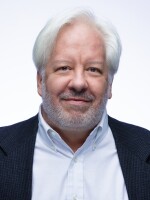
Kim Fultz is the code compliance manager for Springfield. Speaking with WYSO’s Jerry Kenney, she detailed how it works, calling the program a win-win for neighbors and the city.
This transcript has been lightly edited for length and clarity:

Fultz: Typically, these properties, they've gone through a tax foreclosure and they've just been sitting unused for long periods of time. Any property owner that lives within a thousand feet of the lot can apply for the program.
They just need to be current on city income taxes, property taxes and have had no code compliance violations within a 36-month period. There is $134 deposit. From there, they maintain the lot for a seven-month period, essentially a mowing season. And then we move forward with getting the ownership transferred.
Kenney: How has that program been working out?
Fultz: It's been great. The impact has been really strong. Since the program started in 2015, we've returned 228 vacant properties back to productive use across the community.
In the few years we've had steady participation,
- 21 parcels in 2023,
- 16 parcels and 2024,
- 11 in 2025.
And so far in 2026, we've already had six parcels in the process of Mow-to-Own. It's encouraging to see residents take advantage of the program and invest in their neighborhoods.
Kenney: Yeah, and so are these full lots that people can build on?
Fultz: Residents could potentially build on them. They would have to get with building regulations and zoning to see setbacks, requirements for the whole process, but it is a possibility.
Kenney: Where are the majority of these lots?
"It leads to cleaner, more vibrant neighborhoods."
Fultz: The lots are actually scattered all over. There's a lot in the southern portion of the city, the western, there's even some in the north, probably less concentrated. Some situations could be where someone owned a piece of land and maybe they passed away and there was no estate and it just sat there abandoned. So they really are scattered allover the city.
Kenney: And these definitely are properties with no housing on them.
Fultz: Yes, they must be free from structures.
Kenney: Talk about the overall impact when someone decides to take care of this property. I mean, it really can change the face of a neighborhood.
Fultz: Absolutely. One impact, it reduces the number of lots that the city needs to mow and maintain. Another wonderful thing about it, it reduces the blight you often see on neglected vacant lots throughout the city and it leads to cleaner, more vibrant neighborhoods.
Kenney: Is there anything else that you want our listeners to know about the program?
Fultz: I would say the program, it's really a win-win program. It does put the vacant lots back into productive use. It strengthens neighborhoods. If a person obtains a lot that is next to their home, they can combine the parcels. Kind of mentioned expanding their yard area. They might be able to install a fence, build a garage on this lot, a pool, there's a lot of options. Some people put gardens up in these spaces. It's a great program. Anyone interested in the program, they can learn more by visiting the city's website.