-
 Ohio’s state historic preservation office reviewed 6,000 development projects in 2025 alone. The proposed changes could mean less expert scrutiny.
-
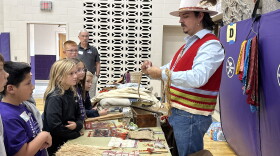 More than 150 area fourth graders got a chance to put the books down last week and learn directly from citizens of Ohio’s historic tribes.
-
 1973 was the year Fisk University students launched WRFN—Radio Free Nashville. Later it became WFSK and today is still broadcasting at 88.1 on the FM dial.
-
 Tribal nations are concerned about the National Archives and Records Administration closing its Chicago center, which they've used to find where children were sent to boarding schools or track cultural items.
-
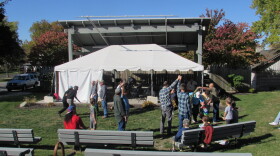 A western Ohio museum is inviting families out to learn about St. Clair’s Defeat, the most successful defeat of the U.S. military by Native American troops. They can also meet descendants from tribes victorious in the battle.
-
 Archeologists investigated the historical site after a fire gutted the building in 2024.
-
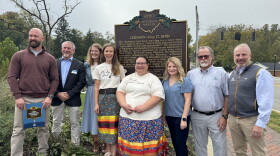 Citizens of the Wyandotte Nation, local officials and community members dedicated new historic markers in Lebanon and North Bend along the 150-mile trail Wyandots took during forced removal.
-
 The four-part lecture series will feature speakers from historic Ohio tribes. It will last through December this year.
-
 In 1975, a 10-watt radio signal began broadcasting from the campus of Savannah State College. Fifty years later, WHCJ 90.3 FM is still on the air, still rooted in the same mission it started with: educate through entertaining.
-
 The event at the state park in Xenia fueled conversations between curious Ohio residents and citizens from two of the three federally recognized Shawnee tribal nations.
-
 This episode follows the preservation team to coastal North Carolina's Elizabeth City State University, where decades of radio history lay hidden in locked cabinets. Through the collaborative efforts of librarians, radio staff, archivists, and oral historians, we discover how WRVS-FM has served as a vital community voice since 1986 and how preservation work sparked an institutional commitment to safeguarding these irreplaceable recordings for future generations.
-
 Vick Mickunas revisits his 1996 interview with Brooks Hansen about "The Chess Garden," set in Dayton, Ohio, during the 1913 flood. A New York Times notable book turns 30.

© 2026 WYSO
Our Community. Our Nation. Our World.
Play Live Radio
Next Up:
0:00
0:00
Available On Air Stations


